November 14, 2026
Investing in a private water supply represents one of the most substantial improvements you can make to your real estate. When property owners decide to tap into a self-sustaining underground aquifer, the immediate concern often centers on the initial financial output required for equipment mobilization, bore creation, and system configuration. Because excavation machinery appears straightforward on the surface, some consumers mistakenly believe that choosing a contractor based strictly on the lowest initial bid is the smartest financial path. However, subterranean geology presents complex obstacles that make amateur craftsmanship financially devastating over time. Opting for vetted, highly proficient well drillers ensures that every dollar spent during the construction phase acts as an insurance policy against premature equipment failure, severe regulatory penalties, and perpetual contamination issues.
Every parcel of land rests upon an unpredictable network of bedrock, sediment deposits, fractured stone, and migrating water tables. Subsurface pressure changes and shifting mineral deposits mean that no two excavation projects behave identically, even on adjacent properties. Navigating these geological nuances requires extensive field experience and diagnostic expertise. When you contract capable well drillers, you are not merely purchasing machine operation by the hour; you are securing geological knowledge that prevents unnecessary depth penalties and structural wall collapses. Proper project planning eliminates the costly trial-and-error approach that underqualified operators frequently fall back on when encountering dense boulder fields or unpredictable bedrock fissures.
A properly executed underground water source supplies consistent hydration for decades without demanding structural repairs. Conversely, an improperly excavated borehole can dry up unexpectedly, pump abrasive sediment into indoor plumbing fixtures, or draw contaminated surface runoff directly into your drinking supply. Fixing subterranean mistakes often costs far more than the initial setup, frequently forcing property owners to abandon their first shaft entirely and pay for complete re-excavation. Understanding the clear economic advantages of premier craftsmanship allows property owners to safeguard their financial resources while securing an uninterrupted supply of pristine water.
Accurate Geological Site Assessment and Depth Planning
Precision site evaluation serves as the primary barrier against runaway project expenses. Subterranean exploration carries intrinsic risk because underground strata cannot be observed prior to mechanical penetration. Experienced well drillers carefully review regional geological records, topographical elevations, and local aquifer behavior before unloading any drilling apparatus onto your property. This thorough preliminary review ensures the drill rig penetrates the earth at the most advantageous location, targeting robust fracture zones rather than stagnant dry pockets.
Unqualified contractors often miscalculate depth requirements, penetrating hundreds of feet past viable production zones simply because they fail to identify productive water-bearing fractures. Since excavation billing frequently scales directly with depth, unnecessary bore depth translates into wasted capital. Furthermore, excessive depth can introduce unwanted mineral hardness, sulfur odors, or heavy iron concentrations that demand elaborate water treatment systems inside the home. By correctly identifying the primary production zone on the initial run, seasoned technicians prevent inflated depth costs and spare homeowners the continuous expense of treating poor-quality water.
Site selection also governs long-term convenience and accessibility. Premier operators place the wellhead where heavy maintenance machinery can safely access the casing decades later if pump replacements become necessary. Inexperienced workers frequently position wellheads near downhill runoff zones, close to septic drainage fields, or beneath overhead utility lines, which can lead to expensive relocations or dangerous utility strikes. Proper initial positioning preserves property aesthetics, protects underground lines, and eliminates future excavation penalties.
Advanced Heavy Machinery and Efficient Site Completion
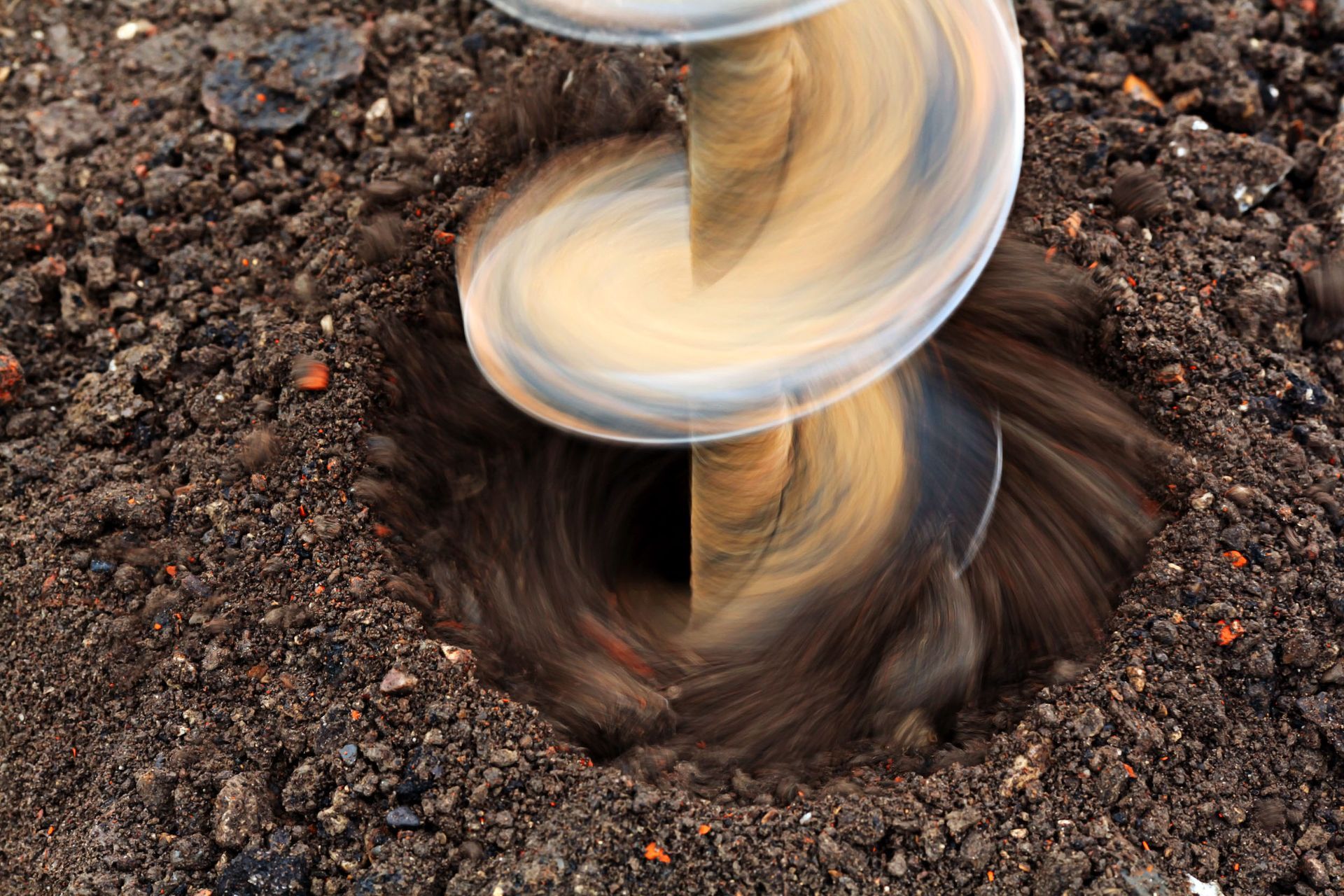
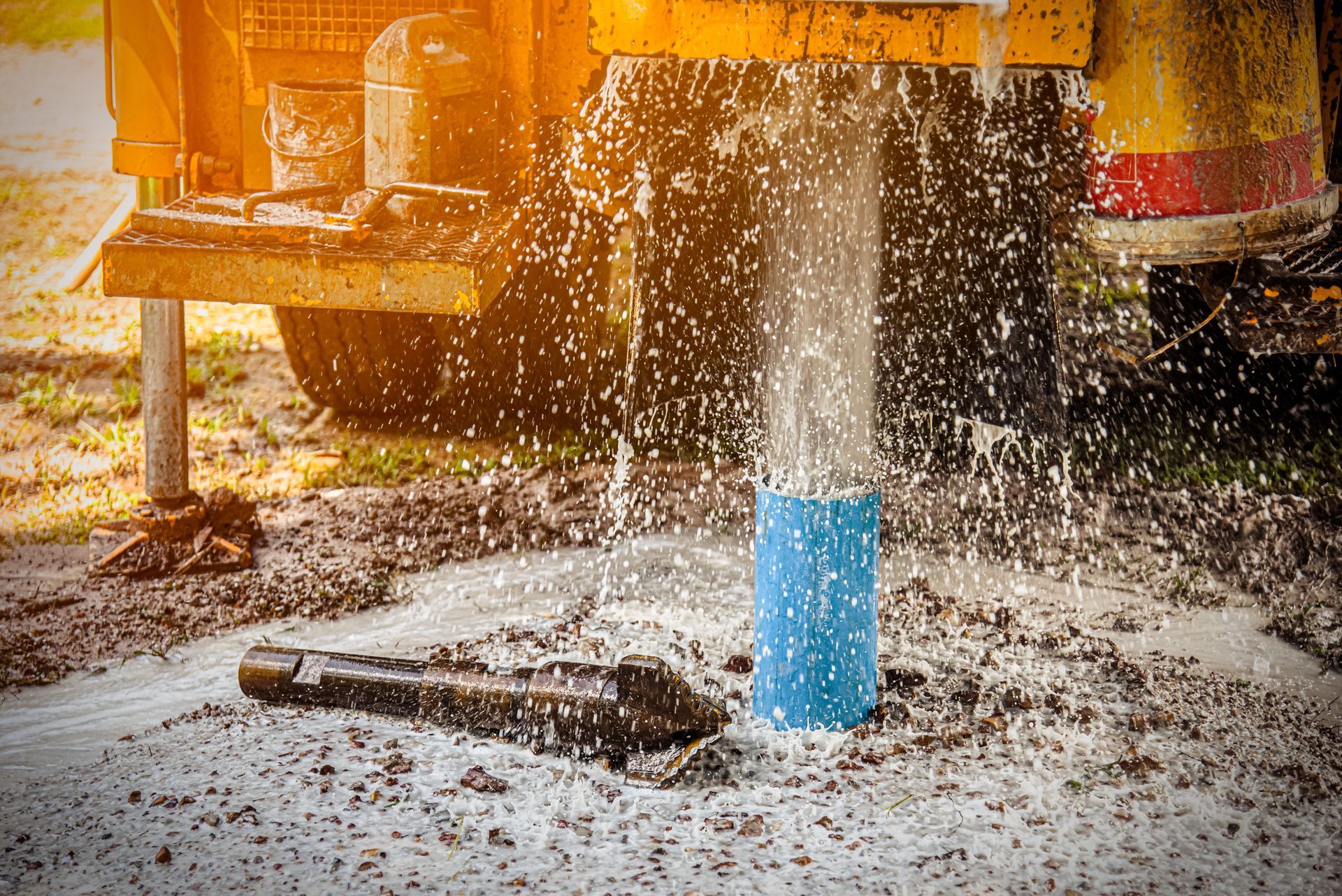
The mechanical condition of the excavation apparatus directly determines how smoothly a project proceeds. Premium outfits operate modern rotary and percussion rigs that maintain consistent downward force and advanced fluid circulation systems. These modern setups slice cleanly through granite, basalt, and dense clay without losing borehole alignment or fracturing the surrounding bedrock stability. High-grade tooling reduces physical friction, mitigates borehole collapse risks, and keeps operating hours tightly contained.
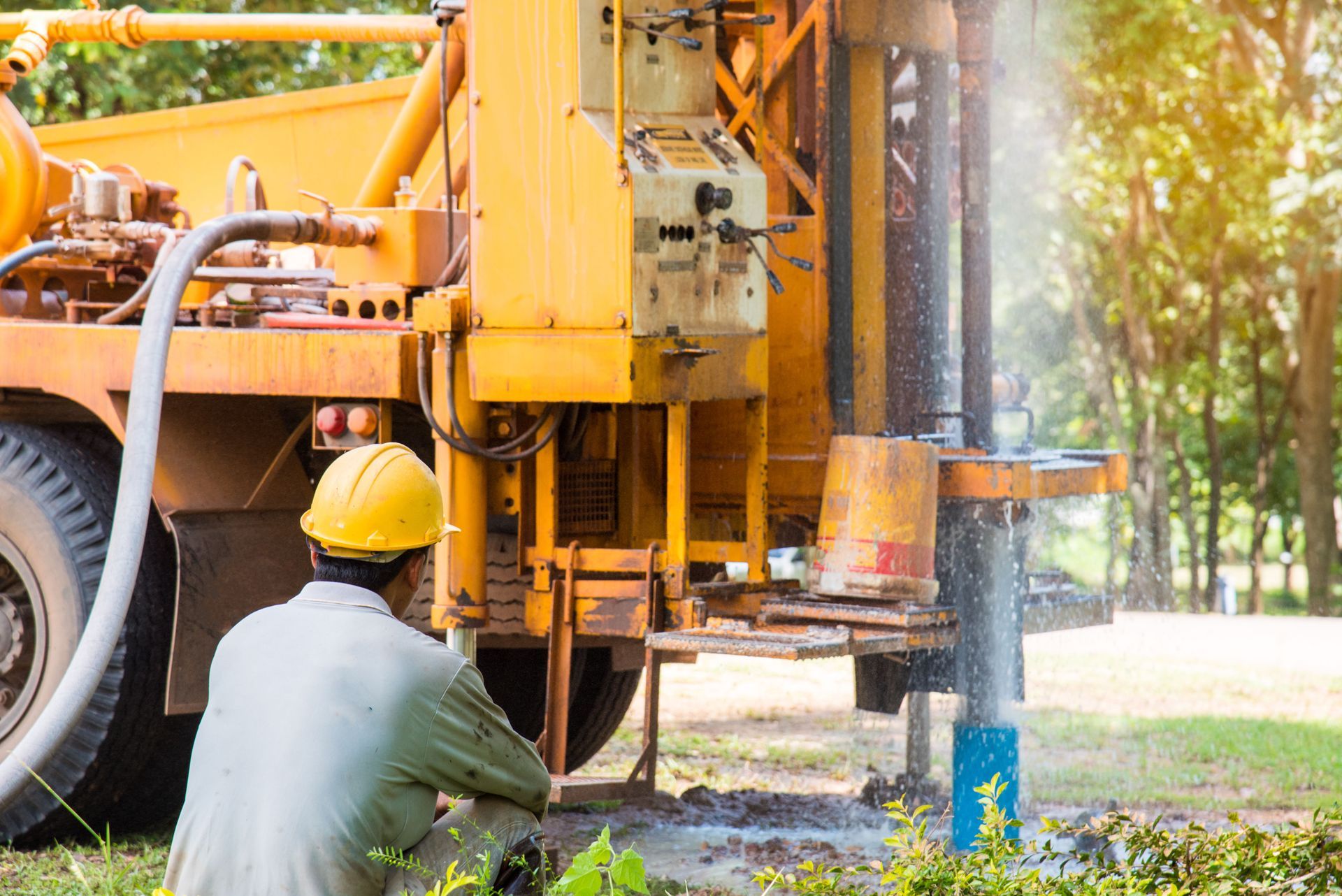
Project duration carries an indirect financial consequence for real estate owners. Construction delays halt home construction timelines, delay municipal occupancy certificates, and leave surrounding landscapes vulnerable to erosion. According to Bob Vila, most wells can be drilled in one to two days. Skilled well drillers achieve this efficient operational speed through meticulous logistical staging and advanced mechanical capabilities, ensuring your daily household routine or larger construction schedule suffers minimal downtime.
Proper Well Casing and Sanitary Seal Integrity
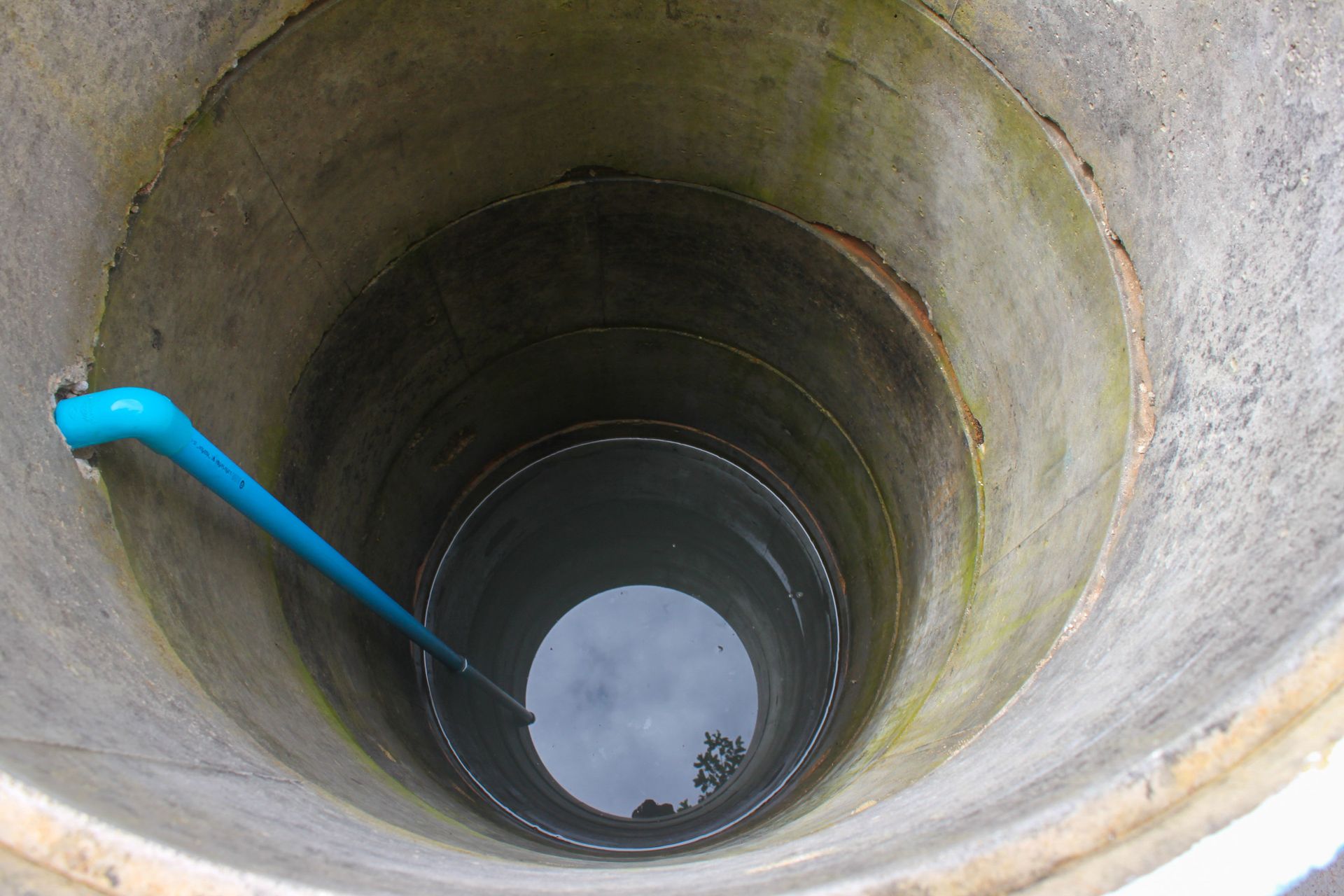
A borehole requires reinforced structural support to keep the earthen walls from slumping inward over time. High-grade steel or heavy-duty thermoplastic casing strings provide this internal backbone, shielding the pure water pocket from surrounding soil pressure. Diligent well drillers select the exact casing wall thickness suited to the geological pressure of your specific location, preventing sudden structural cave-ins that could crush your submerged hardware.
Remediating a contaminated aquifer or scrubbing bio-contaminants from an entire home piping system requires thousands of dollars in chlorine shock treatments, persistent laboratory testing, and complex ultraviolet filtration systems. Even worse, severe structural contamination may prompt local health authorities to condemn the borehole outright. Qualified contractors apply proper sealing techniques during the primary build, safeguarding pure water quality and eliminating the threat of emergency water remediation expenditures.
Optimized Pumping Hardware and Long-Term Energy Performance
The mechanical heart of any independent water source is the submersible pump assembly resting hundreds of feet below the surface. Selecting this equipment requires balancing static water levels, seasonal aquifer drawdowns, pipeline friction loss, and peak household flow demands. Capable well drillers perform rigorous yield tests to establish the steady replenishment rate before recommending specific pump hardware.
Incompetent contractors frequently install oversized pumps, presuming greater horsepower guarantees superior household performance. In reality, an oversized pump cycles on and off rapidly, drawing heavy electrical surges that drastically inflate monthly utility bills. Rapid cycling also places intense strain on internal electrical motors and pressure switches, burning out sensitive components within a fraction of their normal lifespan. Conversely, an undersized pump runs continuously without ever meeting household pressure targets, creating high energy usage and premature mechanical burnout.
Guaranteed Regulatory Compliance and Reduced Maintenance Expenses
Private water creation is governed by strict local, state, and environmental health ordinances designed to safeguard regional water supplies. Navigating mandatory setback boundaries from property borders, septic tanks, wetlands, and electrical transformers requires meticulous oversight. Experienced well drillers prepare all documentation, secure municipal permits, conduct certified water purity tests, and file thorough completion logs with regional water authorities.
Routine maintenance expenses stay predictably low when subterranean construction is executed correctly from day one. Premium materials resist internal galvanic corrosion and mineral encrustation, keeping screen intakes clear of sediment build-up. By doing the work properly at the outset, property owners avoid chronic emergency service calls, frequent filter replacements, and the nightmare of complete well reconstruction.
Securing a private water source should provide total peace of mind rather than recurring headaches. As the premier well drillers serving all of Central Massachusetts, North Star Drilling pairs extensive practical experience with modern machinery to deliver water solutions that withstand the test of time. Since 1972, we have built an enduring legacy of excellence by prioritizing engineering precision, durable materials, and complete customer satisfaction. We invite you to contact us today to request a free quote on your upcoming project, and let our team design an efficient, self-sustaining water system that saves you money for decades to come.