October 9, 2026
The subsurface world beneath our feet holds critical groundwater resources essential for homes, businesses, and agricultural operations. Accessing these subterranean reservoirs requires equipment, detailed geological knowledge, and carefully executed operational strategies. Working with a dedicated well drilling company ensures that every property owner gets access to clean, reliable groundwater while adhering to strict environmental standards and safety guidelines. From analyzing complex geological formations to deploying advanced machinery, professional drillers make it possible to tap into essential water supplies deep below the Earth's surface.
Understanding subterranean hydrology is essential for any modern water development project. Soil conditions, aquifer depth, and local mineral concentrations all influence the longevity and health of an underground supply. By conducting comprehensive initial assessments, field technicians can design sustainable wells tailored specifically to regional water dynamics. Proper site preparation prevents early system degradation and ensures property owners receive optimal pressure and flow rates year-round.
Understanding Geological Layers and Subsurface Conditions
The surface layer of the Earth consists of diverse geological structures that directly influence how water moves and where subterranean reservoirs exist. Professional drillers must examine soil composition, mineral content, and rock density before commencing any excavation project. Varying rock formations present distinct challenges, requiring specific tools to breach hard stone or stabilize loose soil during operation.
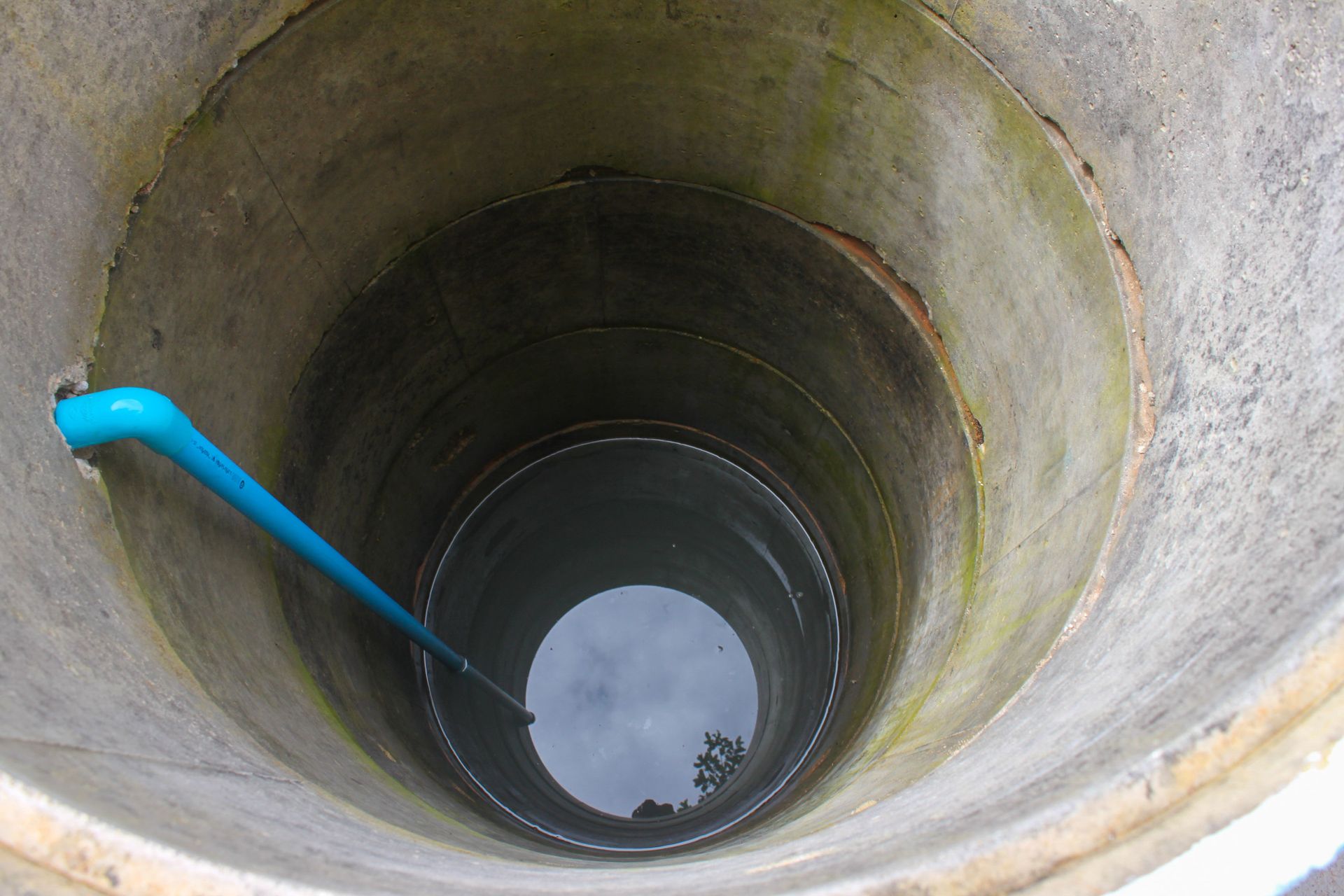
Subsurface hydrology also relies on well-managed aquifer systems that collect and store underground water over long periods. Accessing these reservoirs effectively demands a complete understanding of static water levels and local geology. Working alongside an experienced well drilling company allows property owners to accurately assess subsurface conditions and determine the optimal depth for a sustainable water supply.
Geological stability varies significantly depending on historical seismic patterns and sedimentary layering. Identifying subterranean bedrock variations enables operators to select appropriate drilling bits and stabilization casings early in the project. Detailed core sampling minimizes unexpected delays, creating a smoother path toward long-term groundwater security for homes and commercial facilities alike.
Selecting Proper Equipment for Water Well Installation
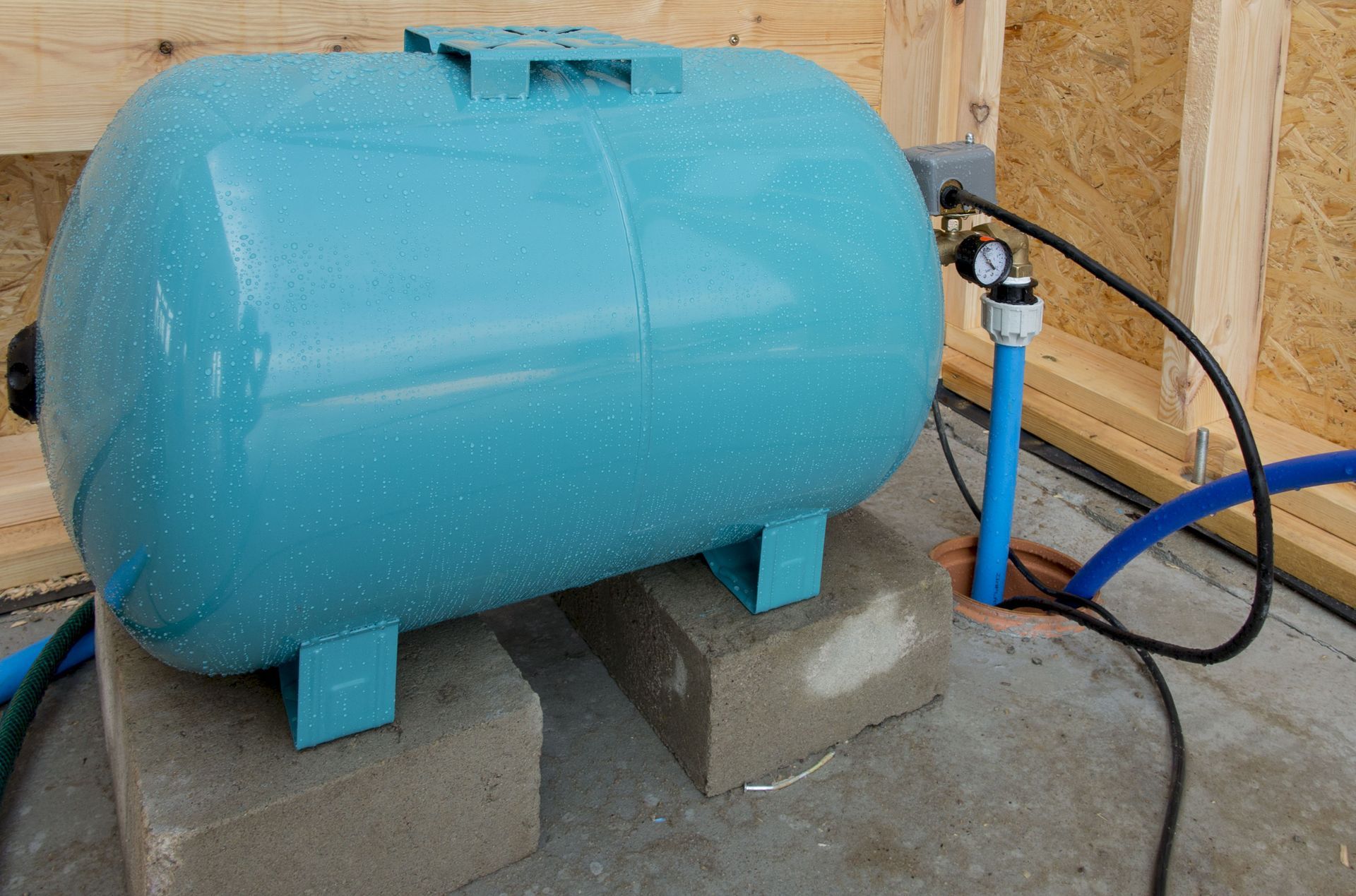
Modern water extraction relies on tailored technology designed to meet specific geological conditions and depth requirements. For shallower subterranean water sources, specific pumping mechanisms offer efficient and dependable fluid displacement. According to HomeGuide, jet pumps are the most commonly used option for shallow wells with a depth of up to 25 feet.
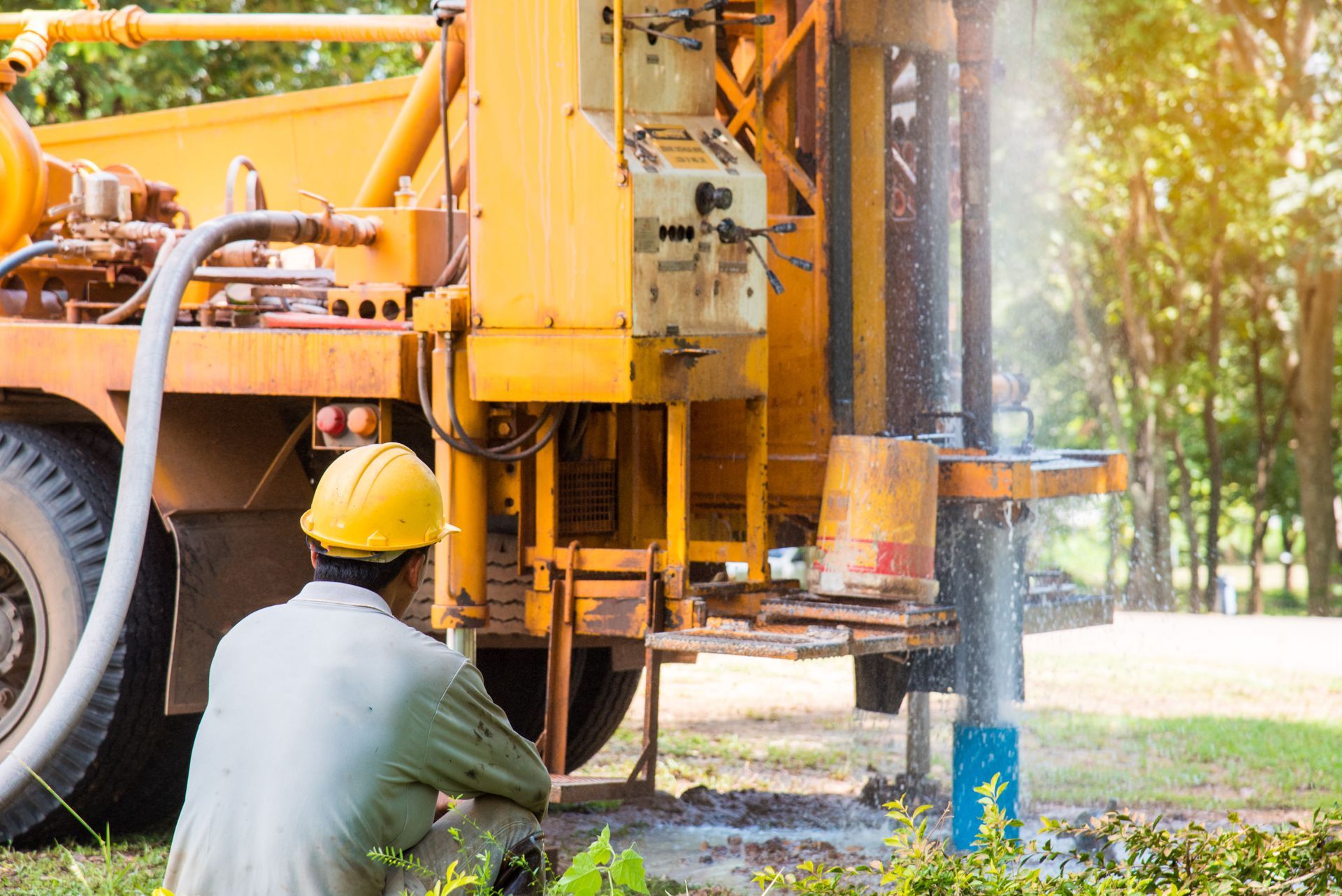
Deeper aquifer access requires heavier machinery, such as high-powered rotary drills and heavy-duty submersible pumps designed for high pressure. Choosing the correct machinery ensures optimal flow rates and long-term infrastructure durability. Partnering with a reliable well drilling company guarantees that the appropriate machinery is selected for your unique landscape and water needs.
Selecting durable casing materials and sanitary well caps is equally critical for protecting extracted water from surface pollutants. High-grade steel or heavy-duty PVC casings prevent well wall collapse while isolating the water column from superficial runoff. Correct equipment matching minimizes mechanical stress over time, reducing future maintenance costs and extending the overall operational lifespan of the installation.
Modern Technological Advancements in Subsurface Drilling
Technological innovations have significantly enhanced the precision and safety of modern groundwater extraction. Today, advanced rotary drilling equipment and drill bits allow operators to penetrate dense rock formations with minimal disruption to surrounding soil. Real-time feedback systems provide valuable operational metrics throughout the entire process.
Furthermore, innovations in geological surveying, such as electromagnetic mapping and 3D imaging, offer detailed views of underground rock and water formations. These tools help pinpoint high-yield subterranean water zones before excavation begins. Tapping the resources of a modern well drilling company ensures your project benefits from state-of-the-art surveying and drilling machinery.
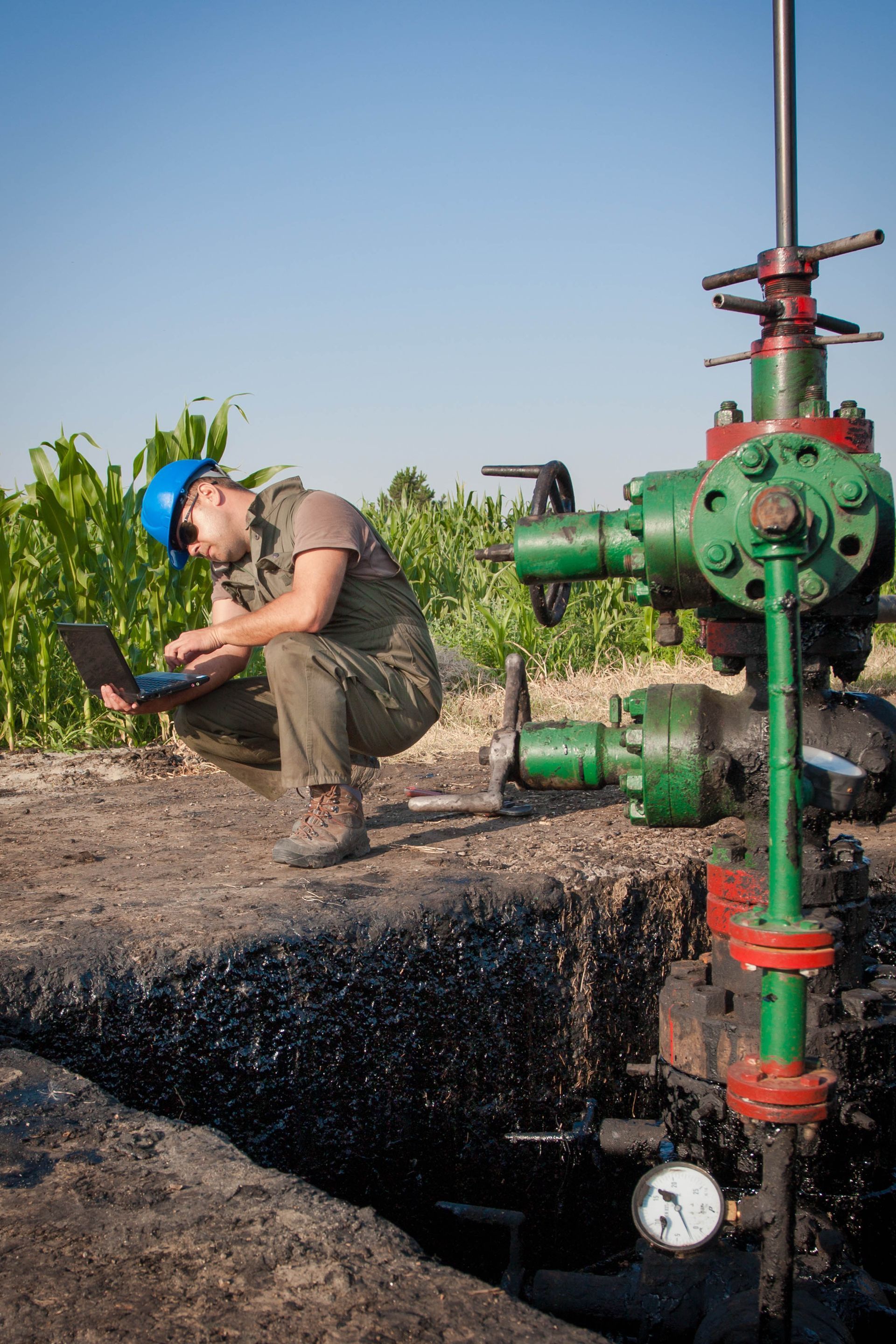
Automated drilling rigs and digital telemetry systems allow field operators to monitor pressure levels, rotation, and drill speed in real time. These technological integrations reduce human error and facilitate rapid adjustments during complex excavations. By combining digital oversight with heavy mechanical engineering, modern providers consistently achieve faster project completion timelines with higher accuracy.
Environmental Stewardship and Groundwater Protection
Protecting natural groundwater supplies and local ecosystems is a top priority during any excavation project. Drillers follow strict protocols to prevent aquifer contamination, utilizing closed-loop fluid systems and non-toxic drilling mud. Proper well casing and sealing techniques safeguard clean water zones from surface runoff and pollutant infiltration.
Careful water management and environmental impact assessments help balance industrial extraction with long-term ecological preservation. Sustainable practices preserve aquifer integrity for future generations while delivering clean water today. Consulting a responsible well drilling company helps property owners implement proactive measures that maintain pristine groundwater quality.
Environmental compliance also involves managing wastewater produced during initial well flushing and development. Filtration units capture silt and heavy sediments before discharge, protecting nearby streams and topsoil from erosion. Maintaining rigorous standards throughout excavation reflects a commitment to regional environmental health and public safety.
Economic Value and Community Development
A dependable water supply is fundamental to regional growth, supporting residential developments, commercial enterprises, and local agriculture. Access to private groundwater reduces reliance on municipal systems and grants property owners total control over their resource usage. Investing in private water infrastructure ultimately increases property values and long-term financial security.
Additionally, local drilling projects generate employment and stimulate economic activity within neighboring communities. Professional installation guarantees robust infrastructure that delivers high-volume water access for decades. Choosing a reputable well drilling company ensures that your investment yields maximum return through durable engineering and efficient output.
Reliable water access encourages local agricultural production and commercial expansion in rural zones. Having an independent source of fresh water insulates properties from municipal rate spikes and utility usage restrictions during dry seasons. Modern infrastructure acts as a dependable catalyst for community resilience and long-term economic expansion.
Addressing Technical and Operational Challenges
Subsurface excavation involves managing unpredictable ground conditions, dense stone, and potential equipment wear. Navigating shifting soil strata requires constant monitoring and adaptive operational tactics to avoid delays or structural instabilities. Experienced field crews maintain detailed contingency plans to address unforeseen geological obstacles seamlessly.
Routine equipment maintenance and rigorous safety protocols further minimize operational downtime and protect site technicians. Professional crews systematically audit machinery performance to maintain efficient progress throughout the job. Hiring a competent well drilling company guarantees that technical challenges are handled with efficiency and care.
Navigating varying hydraulic pressures deep beneath the soil demands operational expertise. Field crews continuously monitor mud circulation and hole stability to prevent structural cave-ins during deep bores. Systematic risk mitigation ensures safety across every phase of operation, keeping projects on schedule and within budget constraints.
Future Trends in Sustainable Water Infrastructure
The groundwater industry continuously adopts greener technologies to minimize environmental footprints and increase resource efficiency. Biodegradable drilling fluids, solar-powered extraction pumps, and automated rig controls represent the future of sustainable water infrastructure. These developments help lower energy consumption while maximizing extraction efficiency across varying environments.
Continued international cooperation and industry research promote refined standard operating procedures and environmental compliance metrics. By embracing ongoing technological updates, field operators ensure long-term sustainability for private and commercial water projects. Working with a forward-thinking well drilling company gives you direct access to the latest eco-friendly practices.
Integration of smart monitoring sensors allows property owners to monitor well production rates, static water levels, and pump health directly from mobile applications. Early warning indicators alert users to potential system issues before major mechanical failures occur. Embracing modern infrastructure solutions guarantees continuous access to pure groundwater for years to come.
Unlocking the vital resources buried deep within the Earth demands scientific precision, high-powered equipment, and careful environmental stewardship. From initial site evaluation to final pump installation, professional contractors ensure that every property receives a safe, continuous supply of clean water. For dependable service and reliable water systems tailored to your property, reach out to North Star Drilling.