October 20, 2026
Making the decision to establish an independent water source brings incredible benefits to any property. Homeowners seeking reliable access to fresh water often wonder about the steps involved with such a substantial project. Partnering with an experienced local well driller guarantees a smooth transition from city utilities to an independent system.
Having a clear picture of the operation reduces anxiety and helps families prepare for the upcoming site activity. According to Water Research, 95% of census blocks in deep rural areas rely 100% on private wells. Securing your own source of hydration provides peace of mind and self-sufficiency for generations. Knowing the stages of development ensures property owners remain informed and confident throughout the entire endeavor.
Initial Site Inspection and Location Selection
Selecting the perfect spot requires careful consideration of property boundaries and existing underground infrastructure. Experts survey the acreage to identify safe distances from septic systems or property lines. Consulting with a reputable local well driller helps pinpoint the most promising location for a robust water yield. Establishing the exact extraction coordinates sets the foundation for a successful and compliant installation.
Topography plays a crucial role in deciding where to establish the extraction point. Specialists look for accessible flat areas that allow heavy rigs to operate safely without risking instability. Proper placement protects the fresh supply from surface runoff and potential contamination sources.
Securing Necessary Permits for Your Project
Navigating environmental regulations requires expertise to ensure full compliance with county and state health codes. Authorities demand specific documentation before any physical excavation or soil penetration begins on private land. Gathering these essential approvals protects homeowners from future legal complications or unexpected regulatory fines.
Our team handles the bureaucratic paperwork to alleviate stress for our valued clients. Submitting detailed plans to regional health departments guarantees the proposed design meets all strict safety standards. Receiving official authorization clears the path for the physical construction phase to commence without delay.
Arrival of the Drilling Equipment and Crew
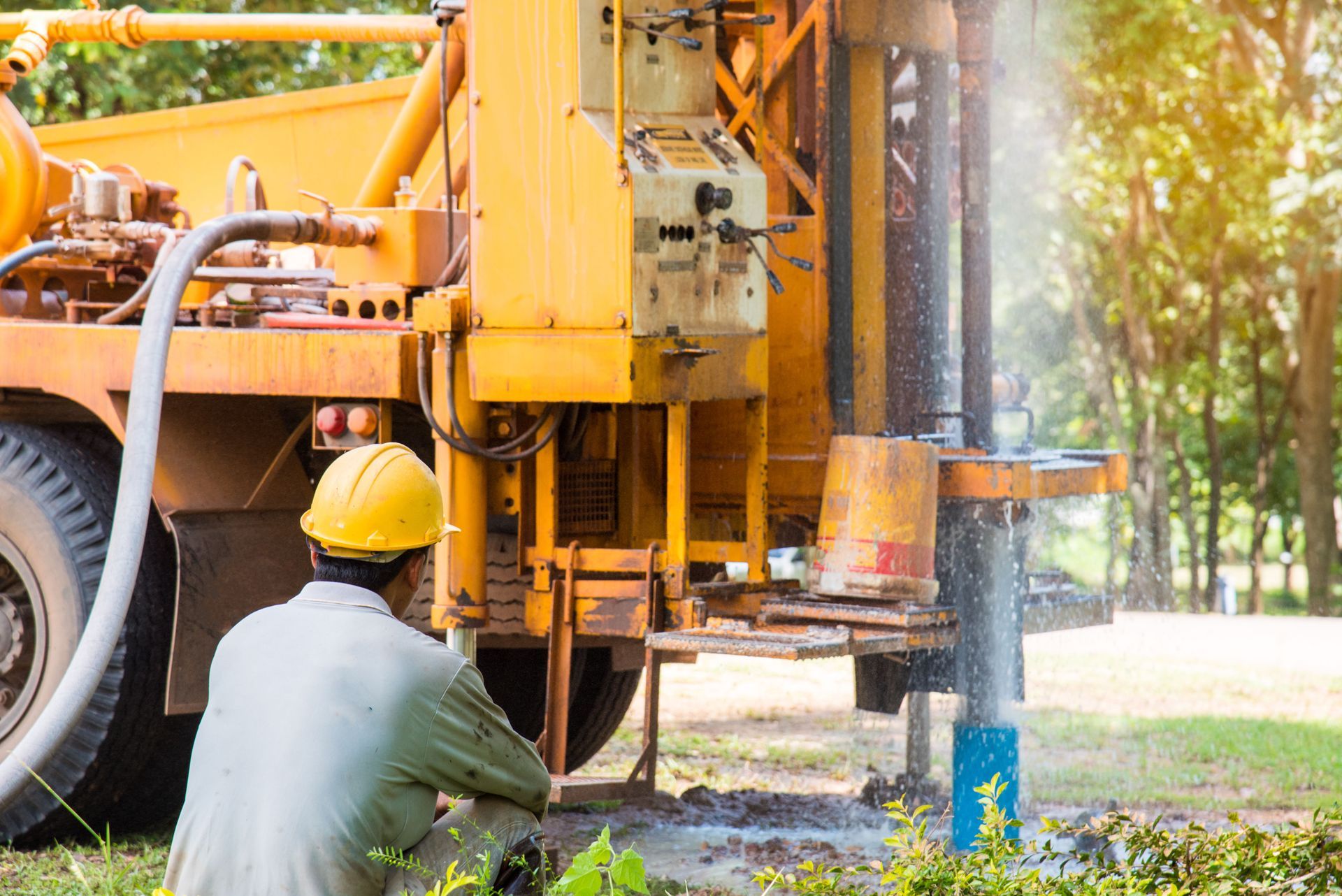
Seeing the large industrial machinery pull into the driveway marks an exciting milestone for any homeowner. The setup process involves positioning the massive derrick and aligning it precisely over the predetermined target. Working with a seasoned local well driller means the crew takes extra precautions to minimize lawn disruption. Technicians establish safety zones around the work area to protect residents and pets from operational hazards.
Establishing a stable base for the rig takes time but remains vital for the safety of the operators. Support vehicles carrying extra pipes and essential supplies will park nearby to maintain workflow efficiency. Noise levels increase significantly once the heavy diesel engines power up to begin the actual penetration. Neighbors might notice the activity, making it polite to inform them beforehand about the temporary commotion.
The Actual Drilling Phase and Methods
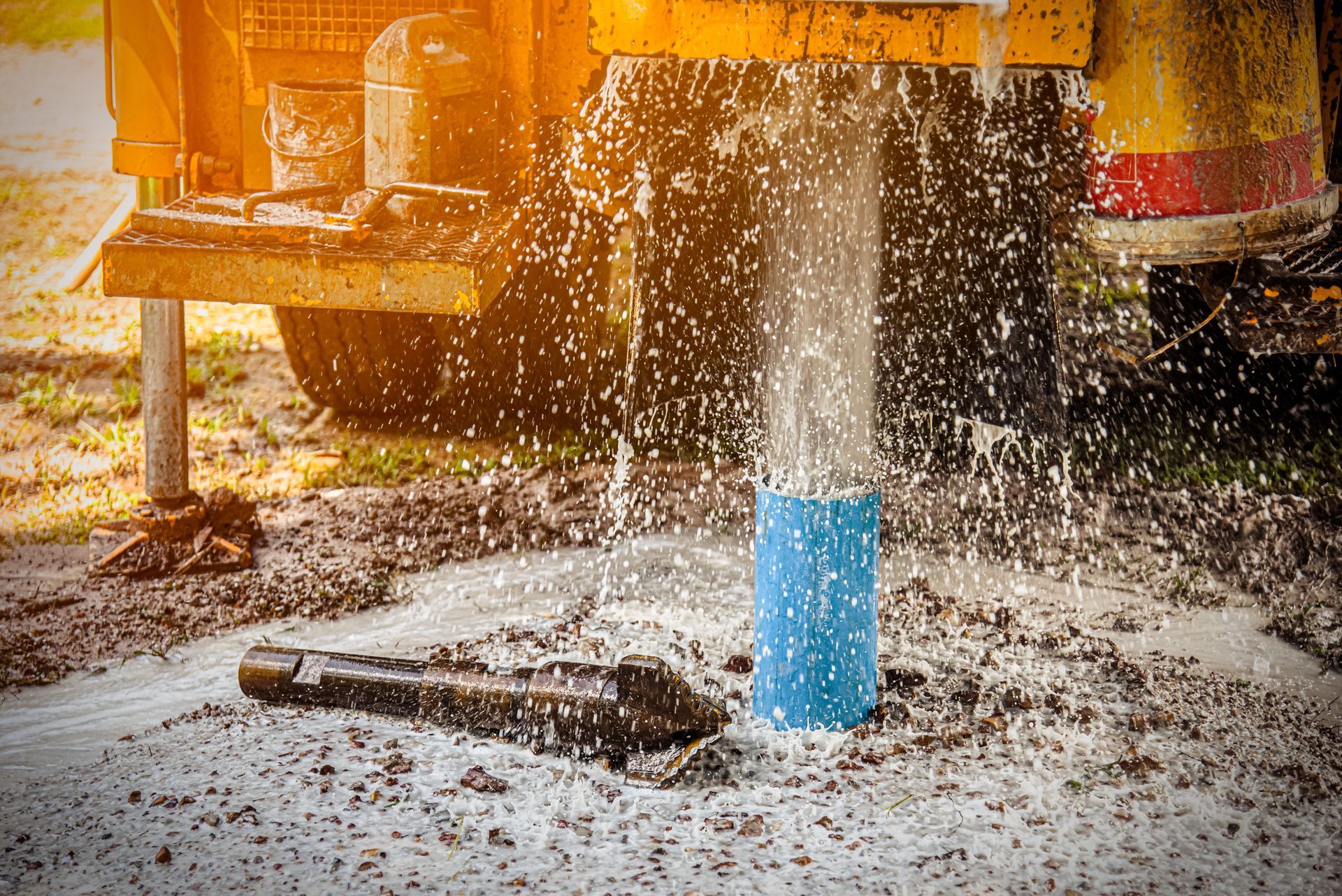
Breaking through the surface dirt and rock requires immense torque and specialized cutting bits. The rotating bit crushes subterranean boulders while air compressors blow the pulverized debris out of the hole. Operators monitor the returning soil cuttings to understand the exact geological formations they are passing through. Adjusting the speed and pressure allows the machinery to adapt to shifting underground conditions efficiently.
Reaching the aquifer might take a few hours or span multiple days depending on the underlying geology. Mud or foam sometimes mixes with the compressed air to stabilize the borehole walls during deep penetrations. Hitting a substantial water vein creates a noticeable change in the material ejecting from the cavity. The crew continues pushing downward until they secure a sufficient and steady flow for household demands.
Installing the Casing to Protect Your Water
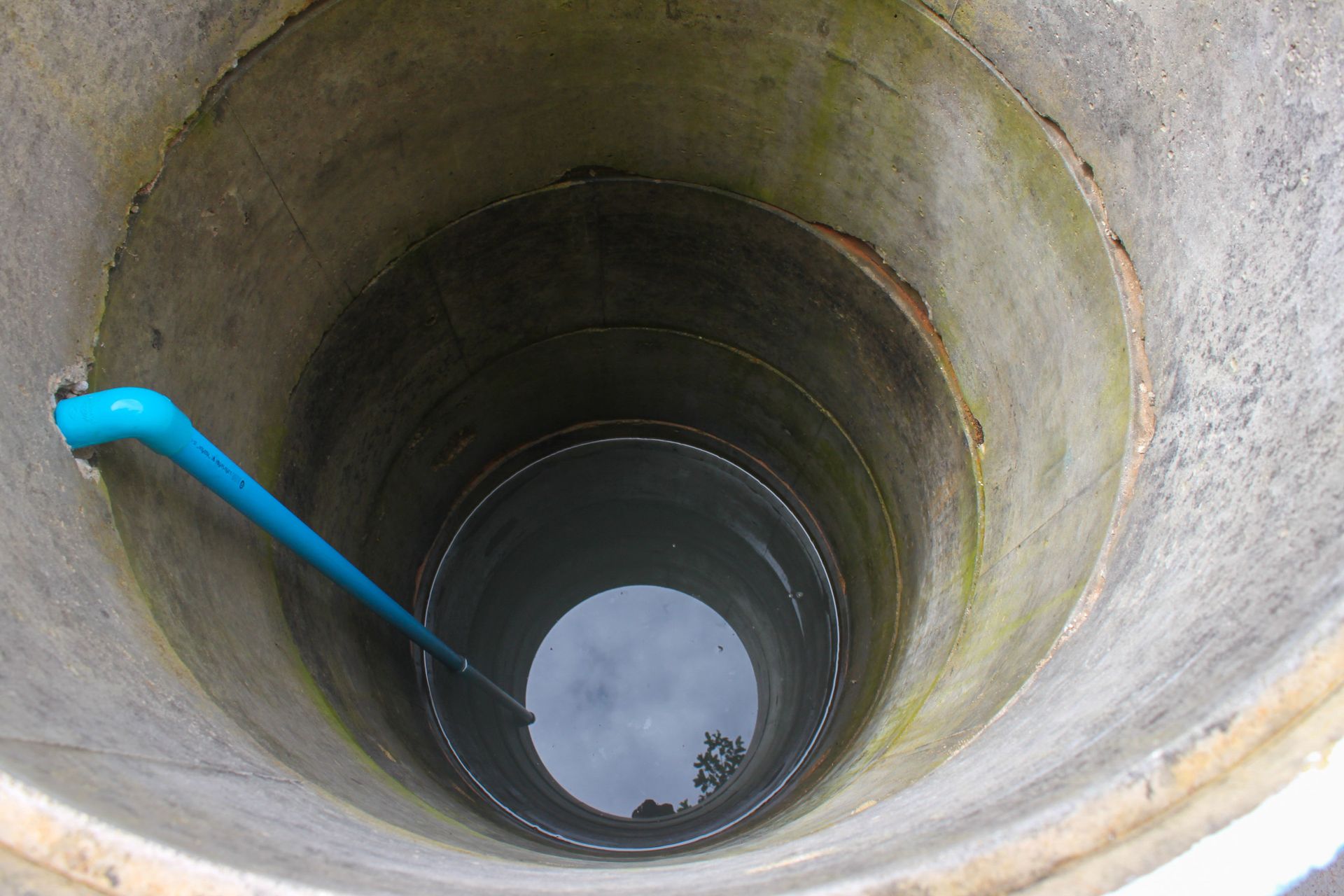
Maintaining the structural integrity of the newly created hole requires immediate reinforcement with durable materials. Heavy steel or high-grade plastic pipes slide down into the cavity to prevent the surrounding earth from collapsing. Hiring a knowledgeable local well driller ensures the selected casing material matches the specific geological demands of the property.
The casing extends from the surface down to the solid bedrock layer to block shallow surface contaminants. Sealing the gap between the pipe and the raw earth with specialized grout creates an impermeable barrier. This critical grouting step protects the pristine aquifer from agricultural runoff or surface-level pollutants.
Flushing and Developing the New Water System
Following the casing installation, the fresh water resting at the bottom remains cloudy and full of sediment. Development involves surging liquid and air back and forth through the system to clean the intake zones. Pushing out the fine silt creates a natural gravel pack around the bottom of the casing. This vigorous cleaning process drastically improves the clarity and overall volume of the final product.
Removing residual excavation fluids and trapped mud guarantees the new source produces crystal clear hydration for the home. The development phase requires patience as the crew repeatedly flushes the column until the discharge runs pure. A properly developed system prevents premature wear on household plumbing fixtures and internal pump components.
Testing Yield and Pumping System Installation
Determining the exact production capacity requires a sustained pumping test over a designated duration. Technicians measure the drawdown level to see how quickly the aquifer replenishes itself during heavy usage. Your trusted local well driller records these vital statistics to match the appropriate hardware to your specific output. Calculating the exact gallons produced per minute dictates the size of the equipment needed for the residence.
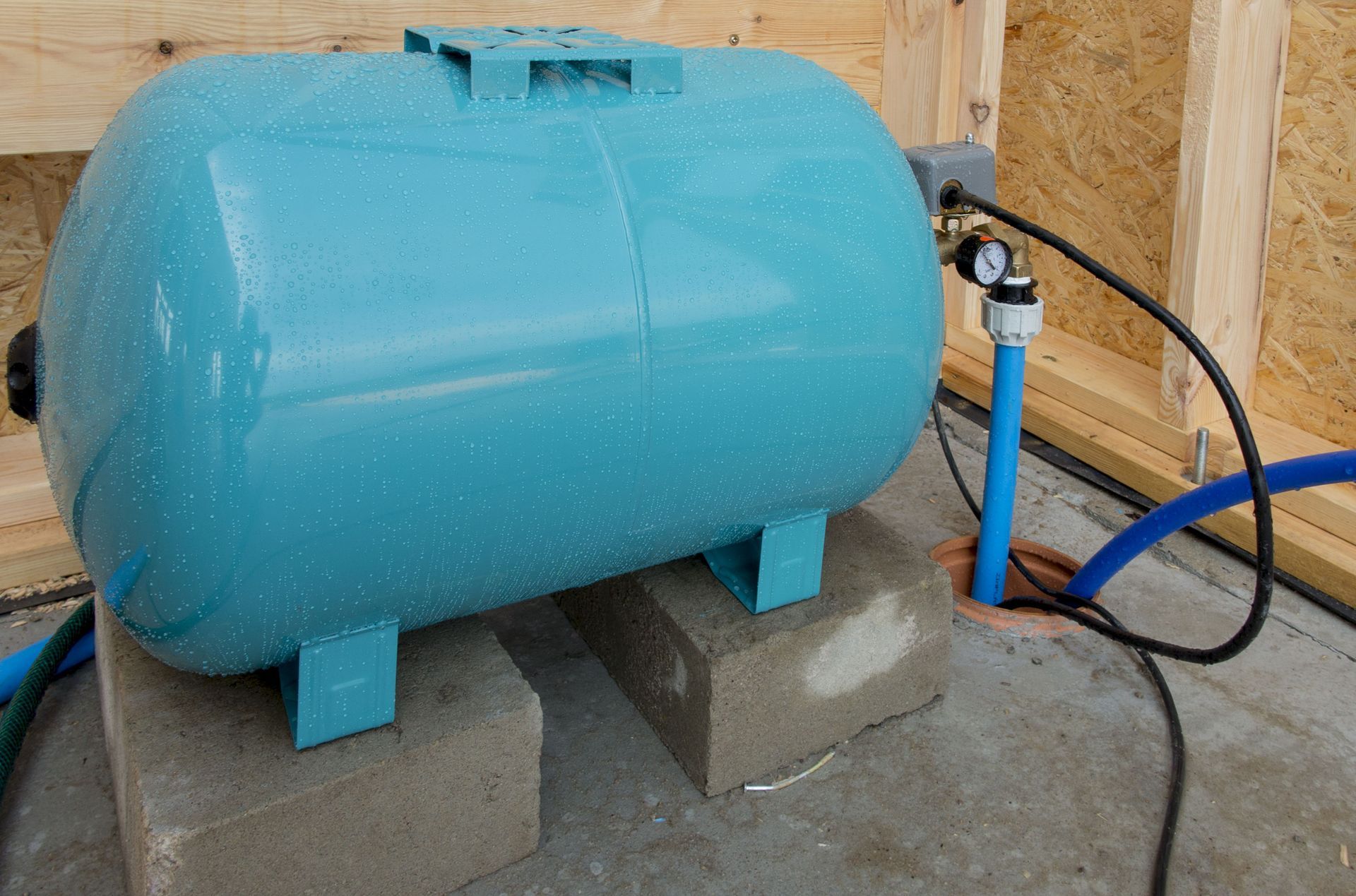
Bringing the hydration from deep underground into the household plumbing requires a powerful and reliable submersible pump. Technicians carefully lower the electric motor and attached piping down the casing to the optimal depth. Inside the garage, the crew installs a pressurized storage tank to maintain consistent indoor flow. Calibrating the pressure switch guarantees the motor turns on and off at the correct thresholds.
Testing Water Quality and Safety Standards
Drawing fresh liquid from the earth requires laboratory analysis to confirm it meets health consumption standards. Professionals collect sterile samples and transport them to certified facilities for comprehensive microscopic examination. Relying on an experienced local well driller ensures all testing complies with strict regional health department mandates. The lab checks for naturally occurring minerals or potential bacterial elements that require specialized filtration.
Receiving a clean bill of health from the laboratory provides ultimate confidence for drinking and cooking. Sometimes the natural mineral content requires the addition of a softening system to protect indoor plumbing fixtures. Addressing any imbalances immediately ensures the family enjoys crisp and refreshing hydration right from the tap. Finalizing the quality checks represents the last major hurdle before declaring the project completely operational.
Finalizing the Setup and Site Cleanup
Finishing the massive project involves restoring the property as closely as possible to its original condition. The crew caps the exposed pipe with a vermin-proof lid and removes all industrial machinery from the yard. Hiring a dedicated local well driller guarantees complete debris removal.
Homeowners receive detailed documentation covering the exact depth, yield, and mechanical specifications of their new investment. Our team provides comprehensive maintenance instructions to help families care for their independent utility. Walking the grounds with the site manager allows clients to inspect the final aesthetics and ask lingering questions.
Enjoying Your Dependable Fresh Water Supply
Transitioning to private groundwater transforms the way families interact with their home environment and utility bills. Independence from municipal grids means avoiding chemical additives or unexpected community-wide boil advisories. Having a reliable local well driller on speed dial provides ongoing support for future maintenance or upgrades. The initial investment pays continuous dividends through unlimited access to the purest hydration nature offers.
Consistent pressure and endless availability make daily chores and lawn care significantly more enjoyable. Sharing a glass of crisp refreshment straight from the earth represents the culmination of a successful installation. Property values often increase when buyers see a brand-new, professionally installed independent utility system. Our team remains committed to ensuring every rural home thrives with abundant and sustainable natural resources. Contact North Star Drilling today to learn more.