November 25, 2026
Understanding the capacity of your well tank is crucial for ensuring an adequate water supply in your household. This article will guide you through the signs that indicate the need for a larger well tank and the benefits that come with upgrading. A well tank is a pivotal component in any household that relies on a well system, supporting the smooth distribution of water throughout your home. The capacity and efficiency of your well tank can affect water pressure, safety, and the longevity of your well system machinery. By refining your understanding of well tanks with a well pump service, you can make adjustments that herald a more effective use of water resources in your home.
Signs Your Well Tank Is Too Small
Frequent Cycles of the Pump
One of the most telling signs that your well tank may be too small is the frequency with which your well pump cycles on and off. If your pump kicks on multiple times during a single 10-minute shower, your tank may simply be too small for your household's demand, according to This Old House. Frequent cycling can be detrimental to the pump's operational lifespan, leading to early burnout. A larger well tank might be the solution, as it maintains more water in reserve, reducing the need for constant pump activation. Observing how frequently your pump cycles can offer valuable insights into whether a larger tank from a well pump service is needed.
Low Water Pressure
Low water pressure can be a frustrating problem, indicating that your current well tank isn't meeting the needs of your household. A smaller tank may only provide a temporary solution, as it cannot hold enough water to deliver consistent pressure throughout multiple outlets simultaneously. When you increase your water usage or if multiple appliances demand water at once, a small tank may falter and deliver disappointing results. Upgrading to a larger tank ensures a steady pressure is maintained, thus providing a satisfactory experience in day-to-day situations. Consistently low pressure signals the need to reassess your well tank's capacity.
Running Out of Water Quickly
If your household repeatedly experiences periods without water, the capacity of the well tank may be inadequate. A tank that empties quickly won't provide the buffer needed during high-demand periods, leading to interruptions in service. Upgrading your well tank with a well pump service ensures that during those peak usage times, there will be an adequate supply of water on hand. This is vital for large families or homes with high-consumption appliances, as larger tanks meet peak hot water and hydration needs more effectively. Efficient storage is key to preventing drought-like conditions within your home.
Noticeable Variations in Water Temperature
Another potential indicator of an undersized well tank is significant fluctuation in water temperature when using multiple water outlets. When a tank fails to supply a consistent water flow because of its inadequate size, this may result in erratic temperature changes. Consequently, showering or doing the dishes becomes unexpectedly uncomfortable. A larger tank stabilizes water fluctuations and provides a more consistent and reliable temperature output. Demanding higher levels of performance from your well system without the right capacity results in inconsistencies that are easily avoidable with the right capacity.
Water Demand in Your Household
Daily Water Usage Average
Comprehending your household's daily water usage is the first step towards assessing whether you need a larger well tank. Calculating the average daily consumption allows you to compare your requirements against your well tank's capacity and efficiency. Factors contributing to water usage include bathing, cooking, cleaning, and watering plants, among others. A disparity between usage and capacity will necessitate an evaluation of the current system's appropriateness. Without this knowledge, providing sufficient resources to meet daily demands becomes a randomized gamble.
Number of Household Members
The size of your household directly affects water usage, influencing the suitability of your well tank's capacity. More residents equate to higher demand, putting additional pressure on the well system. In contrast, fewer members often indicate that a large tank may not be necessary. Household demographics should guide the water management strategy, helping to avoid both underutilization and depletion of resources.
High-Demand Appliances and Fixtures
Appliances like washing machines, dishwashers, and high-flow showers significantly escalate the need for water, necessitating prudent consideration of well tank size. High demand often occurs when multiple water-using appliances operate simultaneously, amplifying the stress on a small tank. Well tank upgrades accommodate these appliances and fixtures, maintaining functionality and reducing the risk of outages. Understanding the consumption rate of these devices is vital in calculating the tank size needed to support your household.
Future Considerations
Anticipating future changes in household composition or activities can inform long-term decisions about well tank capacity. An expanding family or regular hosting of guests will heighten demand, requiring more water than initially projected. Planning with a larger tank accommodates these variables, avoiding reactive measures that incur additional costs. Having reserve capacity also accounts for lifestyle changes, such as remote work or home fitness installations, which may increase water usage.
The Role of a Well Tank in a Water System
Basic Functionality of a Well Tank
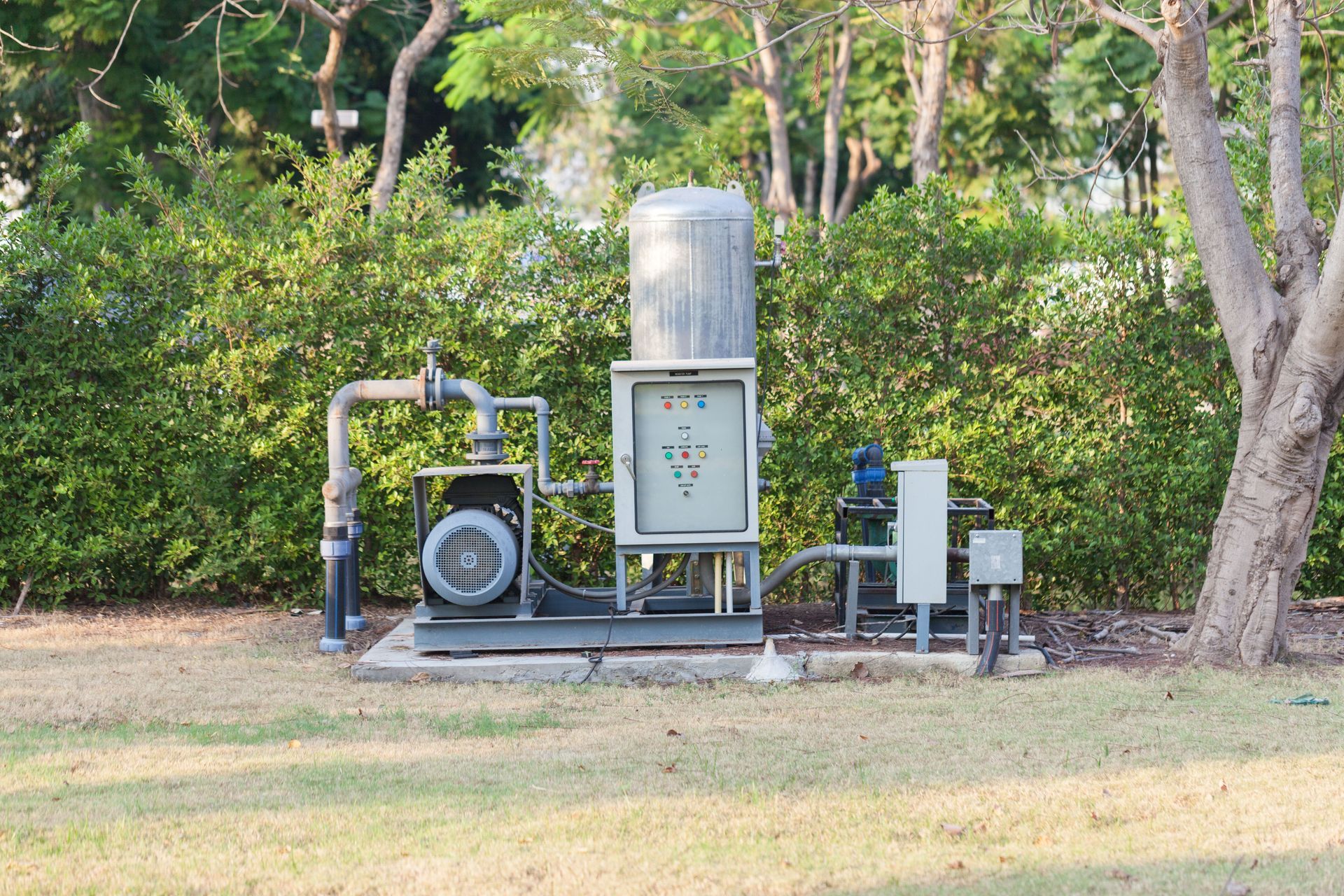
At its core, a well tank is designed to store and deliver water under pressure to a household, ensuring immediate access when needed. The tank captures water from the well and provides a buffer, reducing the workload on the well pump by minimizing the need for constant activation. A correctly sized tank plays a pivotal role in ensuring consistent water accessibility across various outlets and appliances in the home. Its importance becomes particularly evident when it prevents well pumps from over-cycling and failing prematurely, thus needing a well pump service.
Pressure Maintenance and Stability
Proper well tank functionality hinges on its capacity to maintain stable water pressure throughout its service area. A consistent pressure eliminates the common frustrations of fluctuating water temperature and insufficient flow for daily tasks. Larger tanks facilitate better pressure regulation by allowing water distribution systems to operate seamlessly even under high demand. This stability is key to homeowner satisfaction, providing reliable performance for showers, cooking, and cleaning.
Energy Efficiency Considerations
An appropriately sized well tank from a well pump service can significantly contribute to household energy efficiency by reducing the electrical burden on well pumps. Frequent cycling of the pump in response to a small tank's inadequacy leads to increased energy consumption and elevated utility costs. By storing ample water, larger well tanks allow the pump to operate less frequently, conserving energy and cutting down consumption expenses.
Well Pump Durability and Longevity
The durability and longevity of a well pump are directly linked to its interaction with the well tank, which governs the frequency of its usage. When pumps operate more than necessary due to an undersized tank, they wear out faster as a result. Extending well pump life is conceivable with a larger tank that offers the holding capacity to reduce cycling. This relationship underscores the importance of assessing the entire system holistically, rather than focusing solely on isolated components.
Recognizing signs like frequent pump cycling, low pressure, and erratic temperatures is key to evaluating your well system. Upgrading to a properly sized well tank protects your pump's lifespan, improves energy efficiency, and ensures reliable water flow. Assess your household's current and future demands today to invest in lasting water stability. Call North Star Drilling for a well pump service today.